Link to: Resource Guide
At Keānuenue Pediatrics, we believe that parenting is about more than just keeping up—it’s about growing alongside your keiki with curiosity, connection, and care. We’re always learning too, and recently, we tuned in to the American Academy of Pediatrics National Conference to soak up new insights on child health, emotional development, and how best to support families like yours.
One of the most impactful sessions we attended focused on Positive Parenting Strategies—a concept that deeply aligns with our values of nurturing the whole child: mind, body, spirit, family, and community.
Here’s what we learned—and what we’re excited to share with you.
What Is Positive Parenting?
Positive parenting is a relationship-centered approach that emphasizes:
- Responding to your child’s emotional cues
- Celebrating their strengths and capacity to learn
- Setting clear, developmentally appropriate limits
- Connecting with warmth and empathy—even during challenges
- Balancing your child’s needs with your own well-being
- Regulating your own emotions before responding to behavior
- Seeking help or support when you need it (because we all do!)
This approach isn’t about being perfect—it’s about building trust, connection, and resilience, one small moment at a time.
Be Curious, Not Just Corrective
Children’s behavior is often communication. Instead of jumping straight to correction, positive parenting encourages us to get curious:
“What might my child be trying to express with this behavior?”
For example, when Dr. Waipa’s daughter Wren says “Wrenny wants to sleep” (even after just waking up), she’s not actually tired—she’s seeking comfort or avoiding a task. By staying curious, Dr. Waipa avoids frustration and opens up a moment of connection.
Try putting your child’s experience into words:
- “It seems like you’re feeling frustrated because you didn’t get what you wanted.”
- “Mommy’s holding you and that helps you feel better.”
Research shows that when parents regularly tune in and reflect their child’s inner world, it boosts attachment, empathy, emotional regulation, and even language skills later on.
Connection Is the Foundation
We loved this insight:
“The amount of time that infants and parents spend in moments of “shared pleasure”—like smiling, babbling, and playing—predicts better social-emotional outcomes at age 2.”
These tiny moments of delight are not small—they’re essential. So even if you’re busy, tired, or distracted, try to find at least one moment each day to truly connect with your child. That connection becomes the emotional safety net they’ll carry with them for years.
Limit-Setting Is Loving
It’s common for parents to worry that saying “no” or setting boundaries will damage the relationship. But limits, when set with love and consistency, actually help kids feel safe and support emotional growth.
Here are a few reframe examples:
| Instead of this… | Try this… |
|---|---|
| “Stop standing on that chair!” | “I’m worried you’ll fall. It’s not safe. Want to show me how you can hop on the floor instead?” |
| “No, you can’t use my phone!” | “You can’t use mommy’s phone, but we can read a book or play with blocks. Which do you want to choose?” |
| “Pick up your toys or we’re not going anywhere!” | “First, we clean up. Then we’ll go outside to play.” |
At each well-child visit, we’ll talk about what behaviors and developmental changes you can expect next—whether it’s sleep regression, tantrums, picky eating, or school transitions. We want to equip you with the right expectations and tools to meet those moments with confidence and calm.
Parental Self-Care: A Core Part of the Equation
Positive parenting starts with regulation—not just your child’s, but your own.
Try these self-check tools:
- Know your triggers. Just recognizing them gives you more control over your response.
- Take a break when you can. You’re not abandoning your child—you’re protecting the relationship by taking time to reset.
- Model healthy coping. When your kids see you breathe through frustration or name your feelings calmly, they learn to do the same.
One Last Thing
There’s no one-size-fits-all in parenting. But being present, curious, and compassionate is always a good start.
If you ever want to talk through a tricky behavior, ask about developmental milestones, or just need someone to remind you you’re doing a great job—we’re here.
Parenting Handouts
Health Websites for Kids
- Sites to explore with your child
- Innerbody – Human Anatomy
Parenting Books
- 123 Magicby Thomas Phelan, for children ages 2-12
- How to Talk So Kids Will Listen & Listen So Kids Will TalkThe How To Talk Series
- How to Talk So Teens Will Listen and Listen So Teens Will TalkThe How To Talk Series
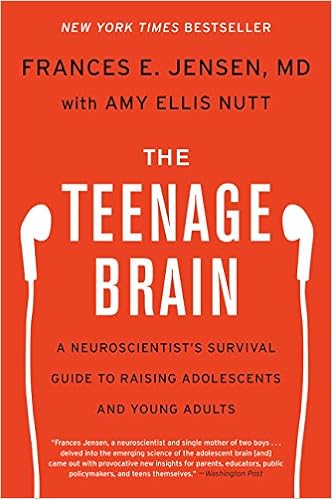
- The Teenage Brain: A Neuroscientist's Survival Guide to Raising Adolescents and Young Adults
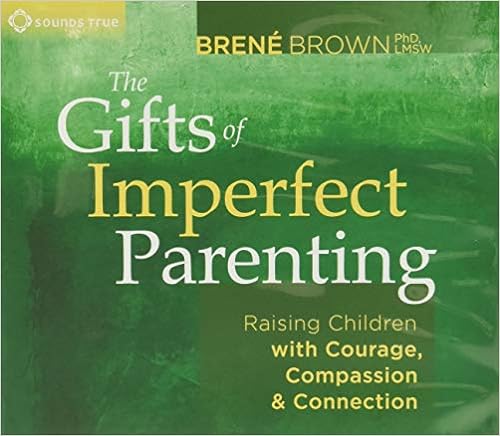
- The Gifts of Imperfect Parenting: Raising Children with Courage, Compassion, and Connection
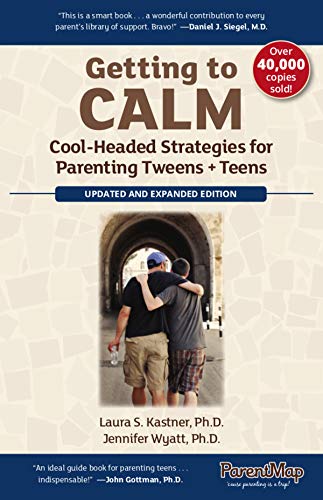
- Getting to Calm: Cool-Headed Strategies for Parenting Tweens + Teens

123 Magicby Thomas Phelan, for children ages 2-12
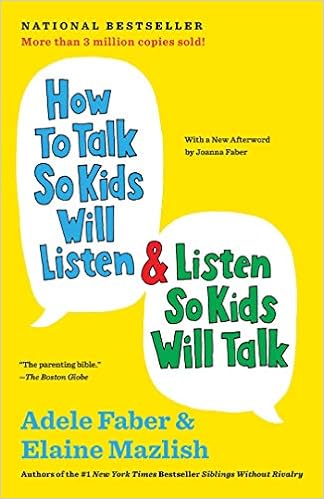
How to Talk So Kids Will Listen & Listen So Kids Will TalkThe How To Talk Series
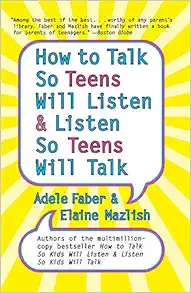
How to Talk So Teens Will Listen and Listen So Teens Will TalkThe How To Talk Series