
Link to: Resource Guide
How To Optimize Your Child's Dental Health
Why are teeth important?
While an infant’s gummy smile is adorbs, without teeth, older children can have challenges speaking, eating, and, of course, smiling with confidence. In fact, children, adolescents, and adults with poor dentition (rotting teeth, missing teeth, visible cavities) have lower self-confidence and a harder time interacting social and advancing in their careers. Not to mention, cavities and invasive dental work are pretty painful (and expensive!). The good news: it’s all preventable.
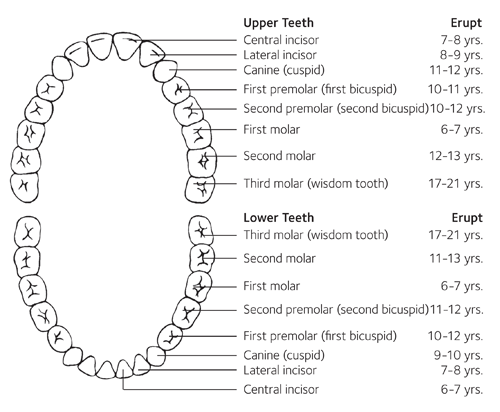
When do teeth come in?
Here are some helpful charts to give you an idea of when to expect teeth to the come in for most children. See the American Dental Association website for more information.
Most children need our help brushing and flossing until they’re about 6 or 7 years old. They don’t have the dexterity to the best job, especially in harder to reach places. So, we’re in it for the long haul and might as well do it right!
How can I take the best care of my child’s teeth?
For Babies
- Wipe down gums twice a day with warm water and a soft cloth
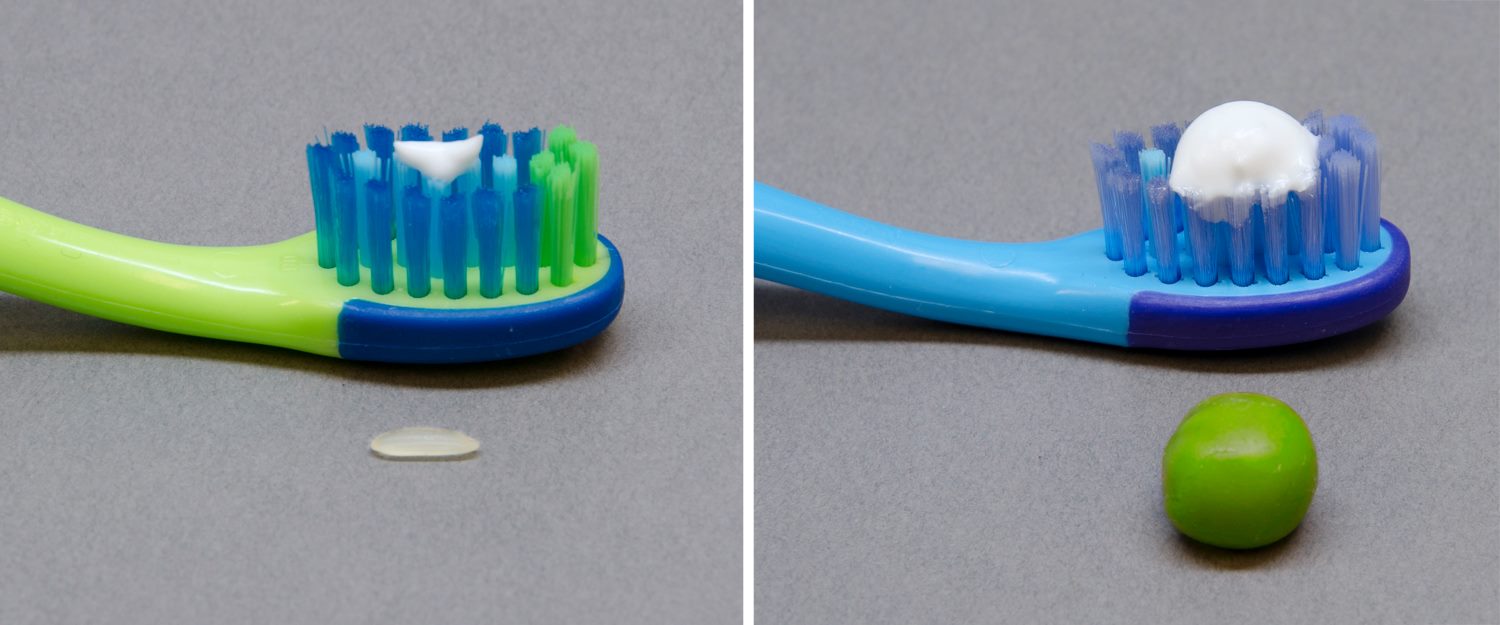
- When teeth come in, usually between 6-12 months, start brushing with a grain size amount of fluoride toothpaste and water on a soft bristle toothbrush twice a day.
- Take your child to their first dental visit by 12 months old
- Introduce a sippy cup as soon as your child can sit up on their own
- Avoid juice and other sugary drinks
For Children
- Brush 2x/day with fluoride toothpaste (size of a pea). Aim for 2 minutes in the day and night (yes, 2 minutes is forever … just try your best)
- Watch your child brush until age 6 and make sure they spit out extra toothpaste.
- You may need to help your child brush until they develop good brushing skills.
Even starting with pregnancy, good dental health in mom can improve dental health in your baby, so floss daily and brush 2x/day.What about toddlers or fighters?
It can be challenging to get toddlers to buy in to the importance of toothbrushing, but the key (as with most things toddler-related) is consistency and routine. Do it twice a day, no matter what, even if your child resists.
I’ve had success sitting on the ground with my legs extended forward and laying my daughter on my legs upside down with her head on my lap and her feet by my feet. This gives me a great view of her mouth as I look down, and if she squirms away, the ground is just a few inches away so she won’t get hurt. Eventually, if you persist in making brushing a routine event, then your child will start to ease up on their fight.
If you have any questions about your child’s oral health, don’t hesitate to reach out to our office for help and advice. If you need finding a dental home for your child, we recommend a pediatric dentist that has lots of experience working with little ones. You can find a board-certified pediatric dentist in your area at www.aapd.org. If you live close to our office, the Pediatric Dental Group is located across the street and takes care of many of our patients’ lovely smiles.