Link to: Resource Guide
Why Food Insecurity Matters to Us as Pediatricians
At Keānuenue Pediatrics, we care deeply not just about your child’s physical health, but also about the daily challenges that can affect their development and well-being. One issue that continues to affect many Hawaiʻi families is food insecurity—a lack of consistent access to enough nutritious food for a healthy life.
Food Insecurity in Hawaiʻi: A Look at the Numbers
According to the Hawaiʻi Children’s Action Network:
- 1 in 35 keiki under age 6 in Hawaiʻi are experiencing homelessness.
- 42% of keiki who experience homelessness will drop out of school at least once.
- 10% of Hawaiʻi adults in households with children reported sometimes or often not having enough food in the past week.
These numbers are heartbreaking—and they’re real. Behind every statistic is a child, a family, and a story.
Why This Matters for Health
Food insecurity and housing instability aren’t just social issues. They’re health issues. When families face economic hardship, it creates ongoing stress that affects both parents and children. Over time, this can lead to toxic stress, which has long-term effects on the body and brain.
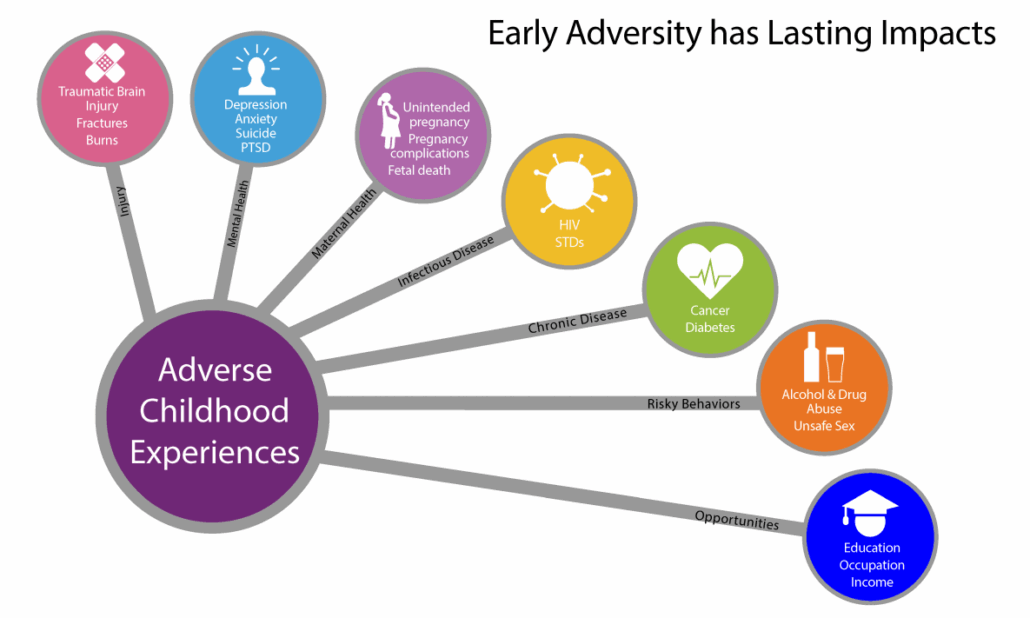
Understanding ACEs (Adverse Childhood Events)
You may have heard of ACEs before. These are stressful or traumatic experiences in childhood that can have lasting health impacts. They include:
- Emotional, physical, or sexual abuse
- Neglect
- Exposure to mental illness or substance use in the home
- A family member in jail
- Domestic violence
- Community violence
- The death of a parent or loved one
- Economic hardship, including homelessness and food insecurity
What Is Toxic Stress?
Not all stress is harmful. Children experience positive stress (like learning to walk) and tolerable stress (like getting a shot). But toxic stress happens when there’s ongoing adversity without stable, supportive relationships to buffer the impact.
Research shows that toxic stress in childhood is linked to:
- Obesity
- Heart disease
- Mental health conditions
- Substance use
- Learning difficulties
It can even alter how a child’s brain develops—especially during the critical early years.
What Can Families Do?
If your family is experiencing hardship—or if you’re concerned your child has been exposed to an ACE—please let us know. We ask screening questions at most visits because we want to offer help early and connect you to the right support.
Here’s what you can do:
- Create a supportive home environment. Warm, stable relationships with trusted adults help protect children from the effects of toxic stress.
- Model healthy coping strategies. Children watch how we handle stress. Show them it’s okay to feel big emotions, and teach them how to bounce back.
- Reach out for help. We’re here for you—not just for checkups and fevers, but for the tough moments too.
Let’s Work Together
We believe that every child deserves a safe, nurturing environment where they can grow and thrive. Addressing food insecurity and other sources of toxic stress is part of how we support lifelong health.
If you’re facing challenges, or just have questions about your child’s development and well-being, we’re here to help. Together, we can build a future where all keiki in Hawaiʻi have the support they need to reach their full potential.
Helpful Food Support Programs
- Supplemental Nutrition Assistance Program (SNAP) — Provides monthly benefits to help with groceries. Administered in Hawaiʻi by the Hawaii Department of Human Services.
- Hawaiʻi Foodbank — Offers free groceries, fresh produce, and help navigating programs like SNAP.
- Honolulu Community Action Program (HCAP) — Through its “Kōkua Food Assistance Program,” provides grocery cards, food boxes, and pantry support for eligible families.
- Hawaiʻi Food Help — A multilingual site offering access to WIC (Women, Infants & Children), SNAP, and other child‑nutrition supports.